
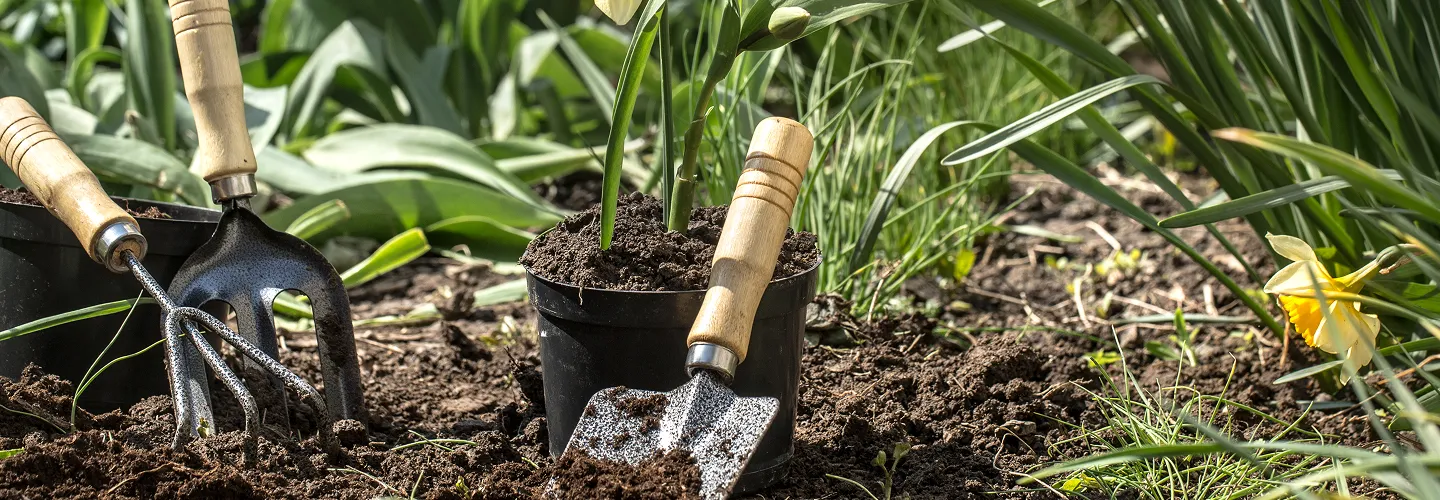
Redding Artificial Grass Installation Services
Choose our Artificial Grass Installation for a beautiful, maintenance-free lawn that saves water, reduces upkeep, and stays green all year—perfect for busy families and businesses seeking lasting curb appeal.
Get a Free QuoteOur Redding Landscaping & Yard Care Services
When to Schedule Artificial Grass Installation in Redding, Connecticut – Seasonal Guide
Choosing the right time for artificial grass installation in Redding, Connecticut, can make a significant difference in the longevity and appearance of your new lawn. Redding’s climate features cold winters with frequent frost, mild springs, and humid summers, making late spring through early fall the most favorable window for installation. During these months, the ground is typically thawed and dry, which allows for proper site preparation and ensures the turf adheres well to the soil.
Local neighborhoods such as Georgetown and West Redding often experience varying microclimates due to differences in elevation, tree coverage, and proximity to wetlands. Homeowners near Putnam Memorial State Park or along Umpawaug Road should consider factors like shade from mature trees, soil drainage, and the risk of late spring frost. For more information on local environmental guidelines, visit the Sudbury municipal site.
Local Factors to Consider for Artificial Grass Installation in Redding
- Tree density and shade coverage, especially in wooded areas like Lonetown
- Terrain slope and soil drainage, which can affect installation and water runoff
- Average precipitation and humidity levels during spring and summer
- Frost dates and risk of late cold snaps
- Municipal restrictions or permitting requirements for landscaping projects
- Proximity to wetlands or protected areas
Benefits of Artificial Grass Installation in Redding
Low Maintenance Landscaping
Year-Round Green Appearance
Water Conservation
Pet-Friendly Surfaces
Allergy Reduction
Long-Lasting Durability
Redding Artificial Grass Installation Types

Residential Lawn Installation
-
Pet-Friendly Turf Solutions
-
Commercial Landscape Turf
-
Playground Artificial Grass
-
Sports Field Turf Installation
-
Rooftop and Patio Turf
-
Golf Putting Green Installation
Our Artificial Grass Installation Process
Site Evaluation
Ground Preparation
Base Installation
Laying Artificial Grass
Finishing and Inspection
Why Choose Redding Landscape Services
-
Redding Homeowners Trust Us
-
Comprehensive Lawn Maintenance
-
Competitive Pricing
-
Professional Team
-
Satisfaction Guarantee
-
Personalized Service
-
Reliable Scheduling
Redding’s Glacial Till Soils and Drainage Considerations for Artificial Grass Installation
Artificial grass installation in Redding requires careful assessment of the town’s predominant glacial till soils, which are typically rocky, moderately acidic (pH 5.5-6.5), and often poorly drained. The USDA Web Soil Survey identifies Ridgebury, Charlton, and Canton series as common, with seasonal water tables at 12-18 inches. Proper sub-base preparation is essential to prevent water pooling and frost heave. Recommended practices include:
- Excavating to a minimum depth of 4 inches
- Installing a compacted crushed stone base (3-4 inches)
- Incorporating drainage channels or perforated pipe in low-lying areas Soil testing through UConn Extension (typical cost: $15-25) is advised to determine amendment needs. For properties near wetlands, maintain a 25-foot no-disturbance buffer as required by local ordinance. Coordination with the Conservation Commission is necessary for installations within regulated areas.
Redding Conservation Commission
100 Hill Road, Redding, CT 06896
Phone: (203) 938-8809
Official Website: Redding Conservation Commission
Municipal Permitting and Zoning Requirements for Artificial Turf in Redding
All artificial grass installations in Redding must comply with local zoning and permitting requirements. The Redding Building Department oversees permit issuance for projects involving significant ground disturbance or changes to drainage patterns. Key requirements include:
- Permit application fee: $50 (verify current rates)
- Typical review period: 7-10 business days
- Site plan submission showing setbacks and drainage
- Minimum 25-foot setback from wetlands and watercourses
- Compliance with zoning for front yard and side yard installations Noise from installation equipment is restricted to:
- Monday-Friday: 7:00 AM - 7:00 PM
- Saturday: 8:00 AM - 6:00 PM
- Sunday and holidays: Prohibited For properties in historic or conservation districts, additional review by the Planning Commission may be required.
Redding Building Department
100 Hill Road, Redding, CT 06896
Phone: (203) 938-8517
Official Website: Redding Building Department
Environmental Compliance: Stormwater, Wetlands, and State Regulations in Redding
Artificial turf projects in Redding must adhere to both local and state environmental regulations. The Connecticut Environmental Protection Act and the town’s MS4 stormwater permit prohibit discharge of sediment or debris into storm drains and water bodies. Key compliance steps include:
- Installing silt fencing during excavation
- Maintaining a 25-foot buffer from wetlands and vernal pools
- Prohibiting infill or turf waste in storm drains
- Scheduling work to avoid heavy rain events (monitor via National Weather Service) The Connecticut Department of Energy and Environmental Protection (CT DEEP) provides guidance on stormwater best practices. For projects near protected areas, coordinate with the Conservation Commission for additional review.
Connecticut Department of Energy and Environmental Protection
79 Elm Street, Hartford, CT 06106
Phone: (860) 424-3000
Official Website: Connecticut Department of Energy and Environmental Protection
Professional Standards and Safety Protocols for Artificial Grass Installation in Redding
To ensure public safety and compliance with municipal standards, artificial grass installation in Redding must follow established protocols. All operators are required to use:
- Eye protection: ANSI Z87.1 safety glasses
- Hearing protection: Earmuffs or plugs for 85+ dB noise
- Footwear: Steel-toed boots with non-slip soles
- Gloves: Cut-resistant for handling base materials Equipment must be commercial-grade, with dust suppression measures in place when cutting infill or turf. Maintain a 15-foot clearance from overhead utilities and coordinate with the Department of Public Works for any work near public rights-of-way. All debris must be disposed of at the town transfer station; plastic turf waste is not accepted in curbside collection.
Redding Department of Public Works
100 Hill Road, Redding, CT 06896
Phone: (203) 938-2801
Official Website: Redding Department of Public Works
Optimal Installation Timing and Climate Considerations for Redding’s Artificial Turf
Redding is located in USDA Hardiness Zone 6b, with average annual minimum temperatures of -5°F to 0°F. The optimal window for artificial grass installation is April 15 to June 15 and September 1 to October 15, when soil temperatures are above 50°F and risk of frost is minimal. Avoid installation during July-August due to heat stress and potential for sub-base compaction issues. Monitor weather forecasts through the National Weather Service New York, NY Office to avoid heavy rainfall, which can delay base preparation and increase erosion risk. For best results, schedule installations after spring thaw and before late autumn leaf drop.
What Neighborhoods Do We Serve Throughout Redding, CT?
- Georgetown: Features a mix of historic homes and newer developments, with moderately well-drained soils and proximity to the Norwalk River, requiring careful drainage planning for artificial turf.
- West Redding: Characterized by larger lots, mature tree cover, and areas of poorly drained Ridgebury soils, installations often require enhanced sub-base and drainage solutions.
- Redding Center: Includes civic buildings and older residential properties, with compacted soils and occasional wetland buffers, necessitating strict compliance with setback and buffer regulations.
- Lonetown: Known for rolling terrain and variable soil conditions, including Charlton and Canton series, which may require site-specific grading and erosion control.
- Topstone: Adjacent to Topstone Park and conservation lands, this area has sensitive environmental features and stricter oversight from the Conservation Commission for any ground disturbance.
- Sanfordtown: Contains a mix of rural and suburban properties, with access limitations on narrow roads and increased need for traffic safety measures during installation.